MARC SE-Africa helps define next steps in malaria control in East Africa
On 26-27 March, MARC SE-Africa took part in a two-day East African Community (EAC) Regional Coordination Workshop for National Malaria Control Programme (NMCP) managers and partners in Entebbe, Uganda. The EAC Secretariat organised the meeting under the Great Lakes Malaria Initiative (GLMI).
The workshop brought together NMCP managers and partners to discuss key issues, including updates on malaria financing and challenges, the establishment of the East African Network for Antimalarial Drug Resistance Monitoring and Mitigation (EANARM), and the strengthening of data sharing and the development of the 2026 GLMI action plan.
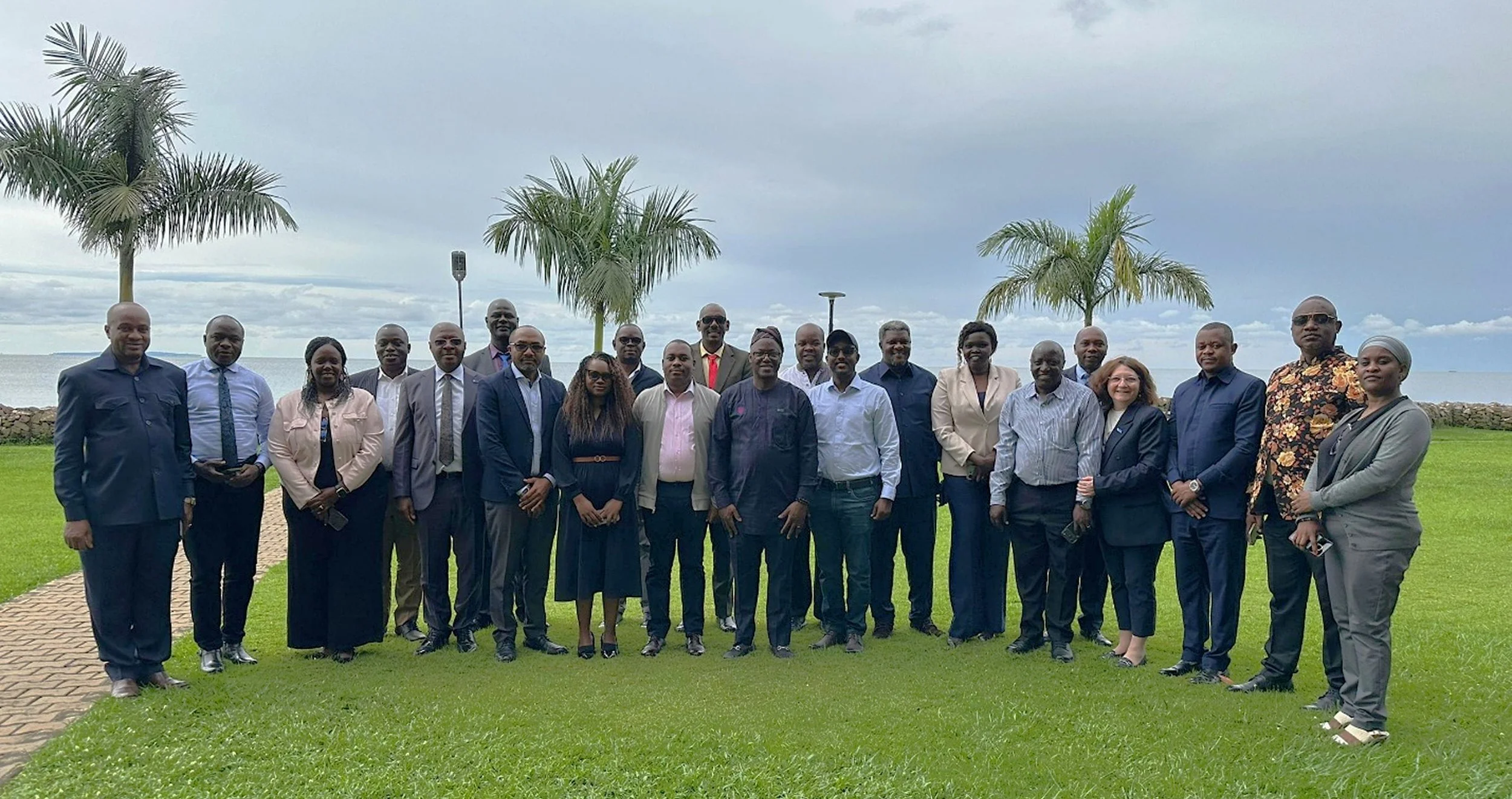
Participants attending the EAC Regional Coordination Workshop at Protea Hotel, Entebbe, Uganda, on 26-27 March 2026.
The imminent threat of antimalarial drug resistance in Africa
In his opening remarks, Dr Michael Charles, the CEO of RBM Partnership to End Malaria, reflected on the historical impact of chloroquine resistance, which led to significant malaria illness and associated deaths. He recalled the global commitment made at the time to prevent such a crisis from happening again. He warned that antimalarial drug resistance remains an imminent threat, urging countries to take immediate action to avoid repeating past experiences.
Speaking on behalf of MARC SE-Africa, Dr Eulambius Mlugu highlighted the consortium’s role in bringing together key players to combat drug resistance. He noted MARC SE-Africa’s contribution to the recently approved regional action plan for mitigating antimalarial drug resistance in East Africa.
The impacts of reduced funding on the fight against drug-resistant malaria
Participants discussed the current state of malaria financing, especially in light of funding gaps following the US government stop order. NMCP managers reported that many malaria interventions rely heavily on external funding, and thus several countries are now facing funding shortages. Some governments have stepped in to support key interventions, while others struggle due to limited budgets. Government funding in most countries is currently focused on life-saving interventions, such as ensuring the availability of malaria commodities. In contrast, interventions targeting antimalarial drug resistance are at risk of being neglected.
Dr Mlugu emphasised that, despite financial constraints, countries must not overlook the threat of antimalarial drug resistance. He urged participants to prioritise resistance-related interventions in their financial planning to protect the gains made in malaria control over the years. To emphasise this, Prof Deus Ishengoma noted that within just four years of the first detection of artemisinin resistance markers in one region, more than seven regions in Tanzania have now reported similar markers, indicating a rapid spread of resistant parasite strains.
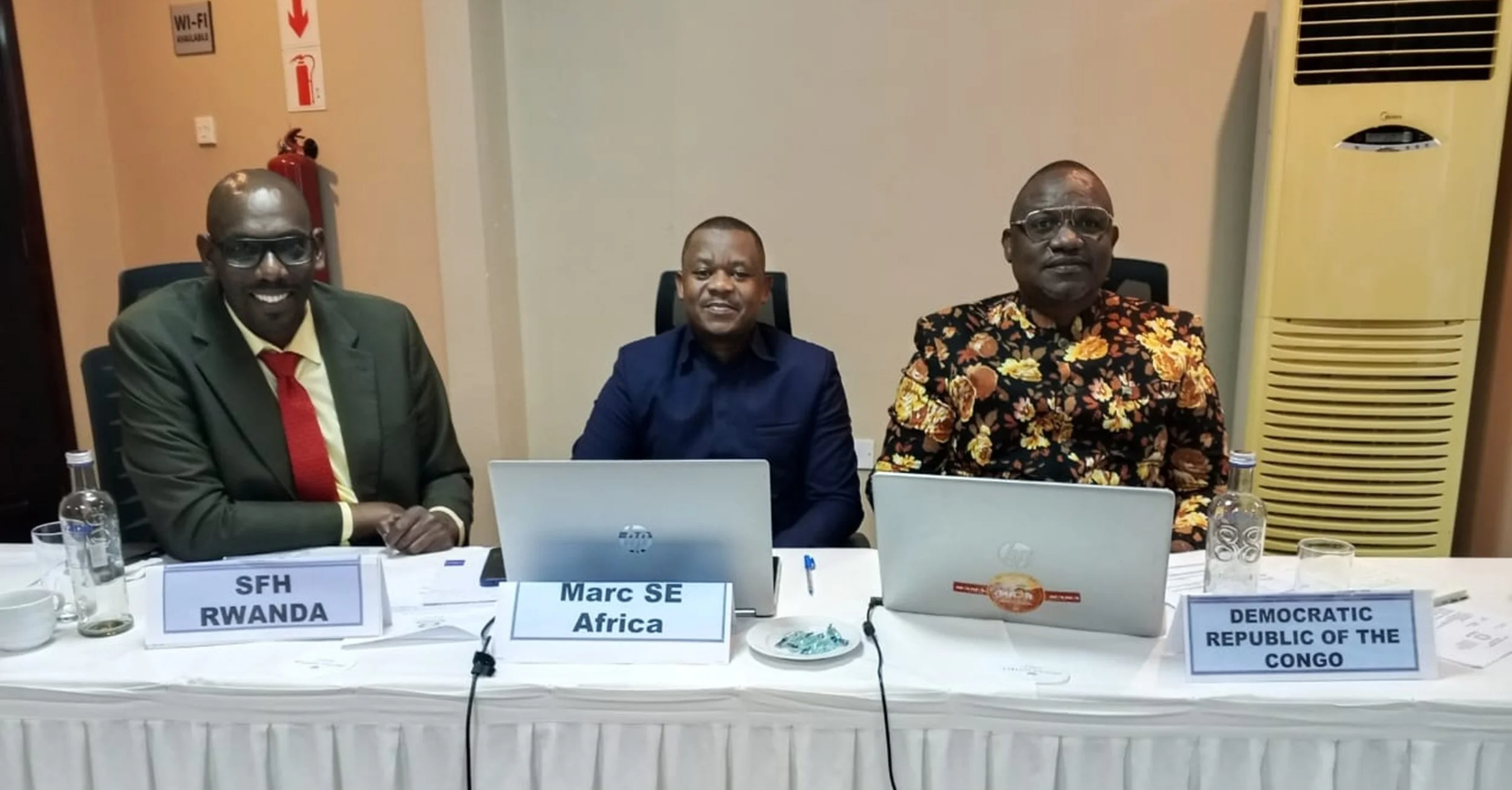
MARC SE-Africa representative, Dr Eulambius Mlugu, with participants from the DRC and SFH Rwanda during the meeting.
Positive outcomes of collaborative regional approaches
The regional action plan for East Africa foresees countries making changes in their malaria response, including by incorporating genetic surveillance, harmonised therapeutic efficacy studies, optimised treatment strategies, policy adaptation, and improved supply chain management.
Reporting on progress, Kenyan representatives presented the country’s adoption of a Multiple First-Line Therapy strategy as an interim measure to combat drug resistance. This approach involves rotating malaria treatments over two years. The Kenyan government is funding this strategy, demonstrating a strong national commitment to fight the emerging threat of antimalarial drug resistance.
Representatives from South Sudan shared that they have conducted Therapeutic Efficacy Studies in four sites in November 2025 to strengthen surveillance data, which had previously been limited.
Strengthening partnerships and cross-border initiatives
Participants reported on the existing cross-border malaria initiatives, such as the Kenya-Uganda Cross-Border Malaria Elimination Initiative and Tanzania-Rwanda cross-border collaboration. Participants agreed to prioritise and strengthen agreed interventions under these initiatives.
Dr Michael Katende presented the governance framework for establishing the East African Network for Antimalarial Drug Resistance Monitoring and Mitigation. The network aims to strengthen regional collaboration, enhance capacity to monitor and respond to drug resistance and support implementation of the regional action plan. Participants reviewed and validated the governance document and recommended that it be submitted to the upcoming EAC Sectoral Council of Ministers for approval and endorsement.
The meeting highlighted the urgent need for coordinated regional action to address malaria financing challenges and the growing threat of antimalarial drug resistance. Countries reaffirmed their commitment to strengthening collaboration, prioritising resistance interventions and mobilising sustainable financing mechanisms. MARC SE-Africa remains committed to supporting these efforts through technical expertise and regional partnerships.