Antimalarial drug resistance is growing in Africa, and artemisinin partial resistance has now been confirmed to be emerging independently in several parasite populations. To address this growing public health threat, the MARC SE-Africa partners have collected extensive resistance-related data, created tools that help all malaria practitioners access it and translated this knowledge into new regional malaria strategies and guidelines.
Sharing these achievements at conferences and meetings is key to lasting impact, and consortium members have recently been busy doing just that. In September, Prashanti Eachempati (MAGIC Evidence Ecosystem Foundation) and Joanitah Atuhaire (Uganda National Drug Authority and WHO TDR Clinical Research Leadership fellow at the University of Cape Town - UCT) took the stage and presented the work of MARC SE-Africa to audiences in Malaysia and Uganda.
The road from health challenge identification to dynamically updated guidelines
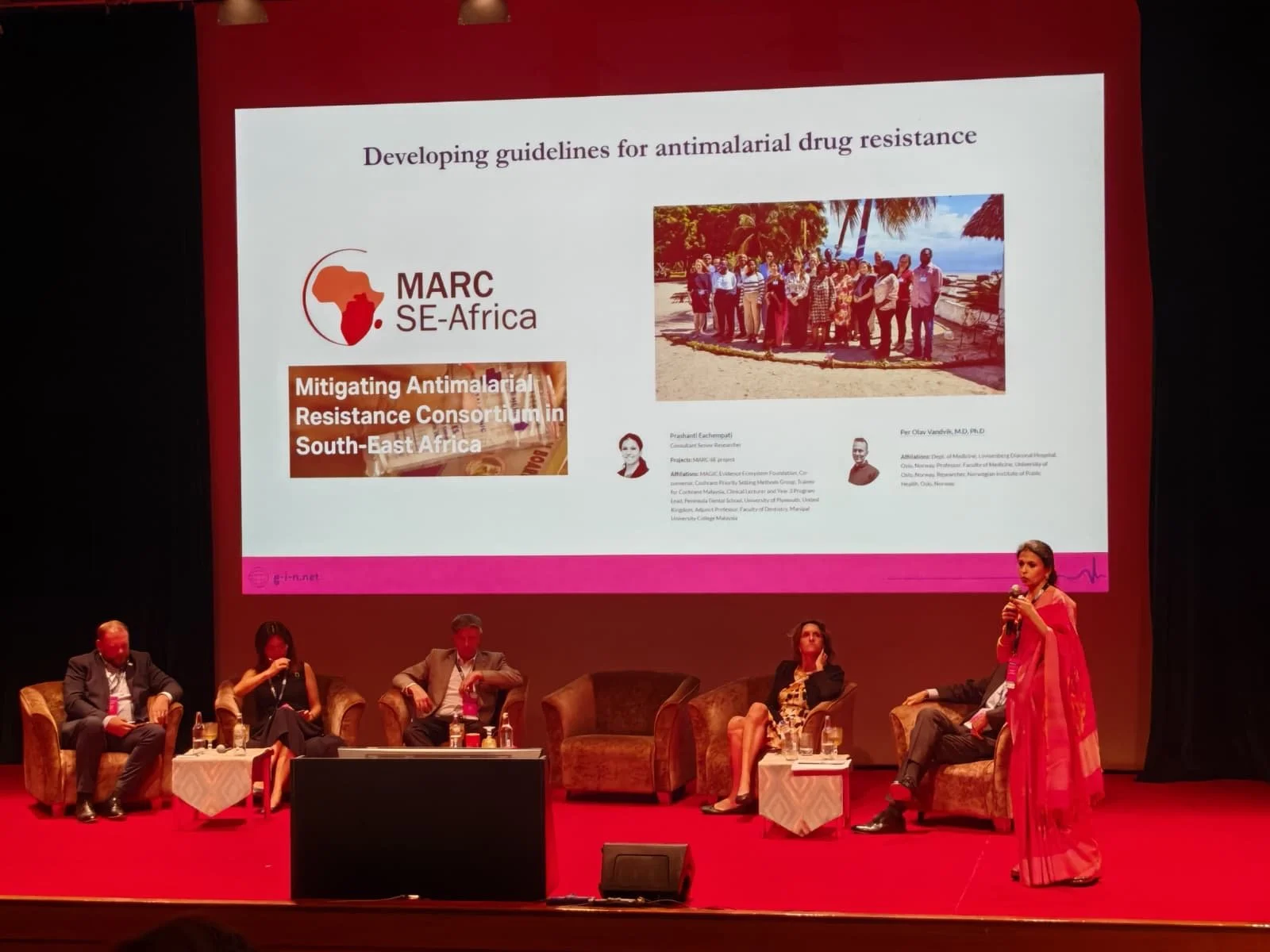
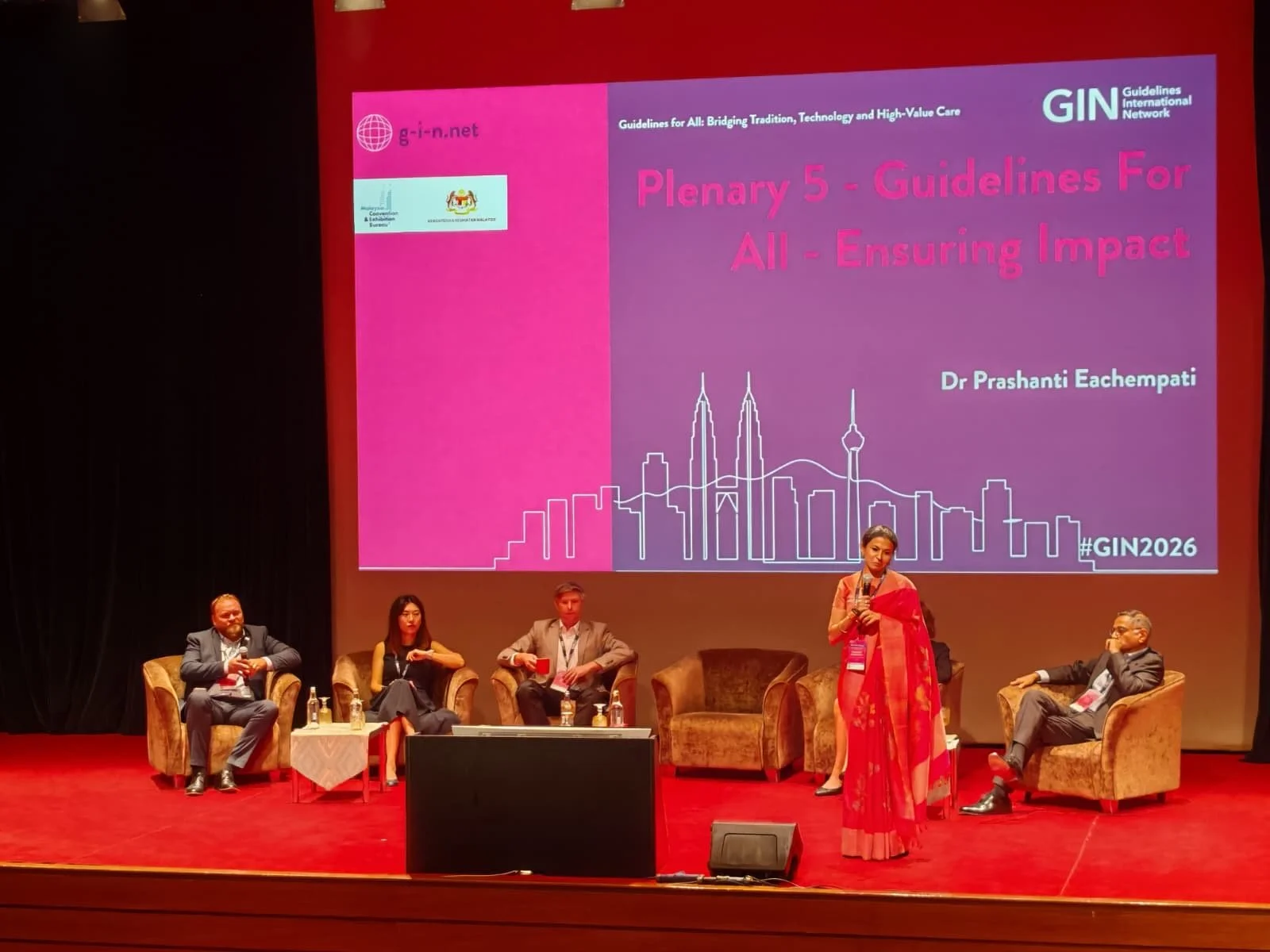
On 15-18 September, the GIN conference took place in Kuala Lumpur, Malaysia. During a plenary session on ensuring impact when launching new guidelines, Prashanti Eachempati presented the journey of producing the Malawi malaria treatment guidelines. The guidelines provide national recommendations on the diagnosis, management and treatment of malaria, and are now available on a digital platform – the MAGICapp.
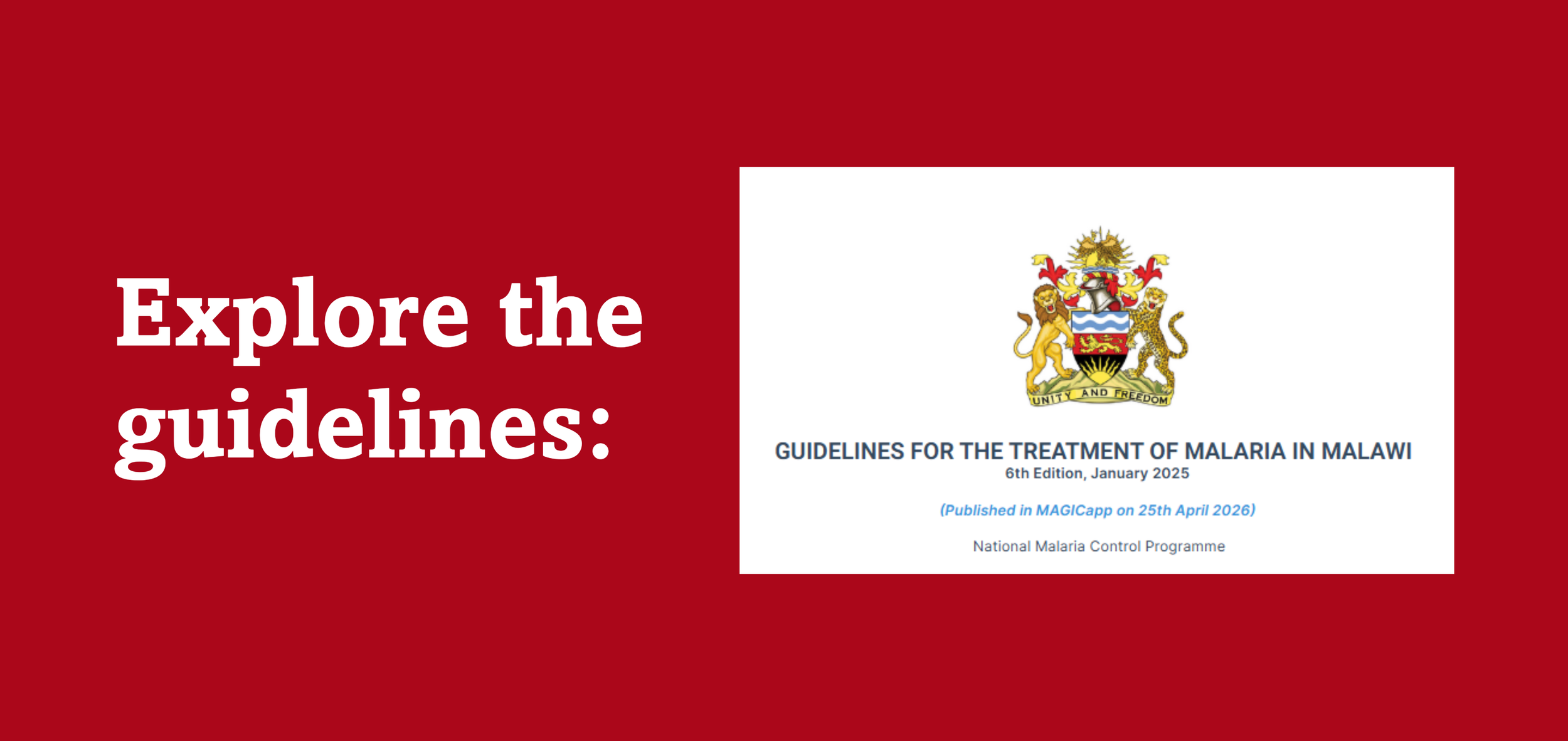
As part of the MARC SE-Africa project, the MAGIC Evidence Ecosystem Foundation worked with the Malawi Ministry of Health and the Malawi Liverpool Wellcome Programme to address a pressing public health challenge: growing resistance to existing first-line antimalarial treatments. Through systematic evidence reviews and close collaboration with national stakeholders, the team supported the development of updated treatment recommendations, including alternative first-line therapies for different regions of Malawi. The digital format also allows the guidelines to be updated as new evidence emerges.
But developing trustworthy guidelines is only part of the journey. An equally important challenge is ensuring that the recommendations reach healthcare workers and are easy to understand and apply in everyday practice.
As part of the MARC SE-Africa work, the MAGIC team identified a real-world clinical and public health challenge: growing antimalarial drug resistance. Evidence generation, guideline development and dissemination among health workers followed. From the outset, involving various stakeholders was essential to ensure everyone is informed, engaged, and trusts the process. This included working with the Malawi Ministry of Health, the MARC SE-Africa team at the Malawi Liverpool Wellcome Programme, and, finally, engaging future guideline users in focus group discussions.
The guidelines are based on the latest evidence on alternative treatment options in response to concerns around resistance to existing first-line malaria therapies and will be updated as new evidence emerges.
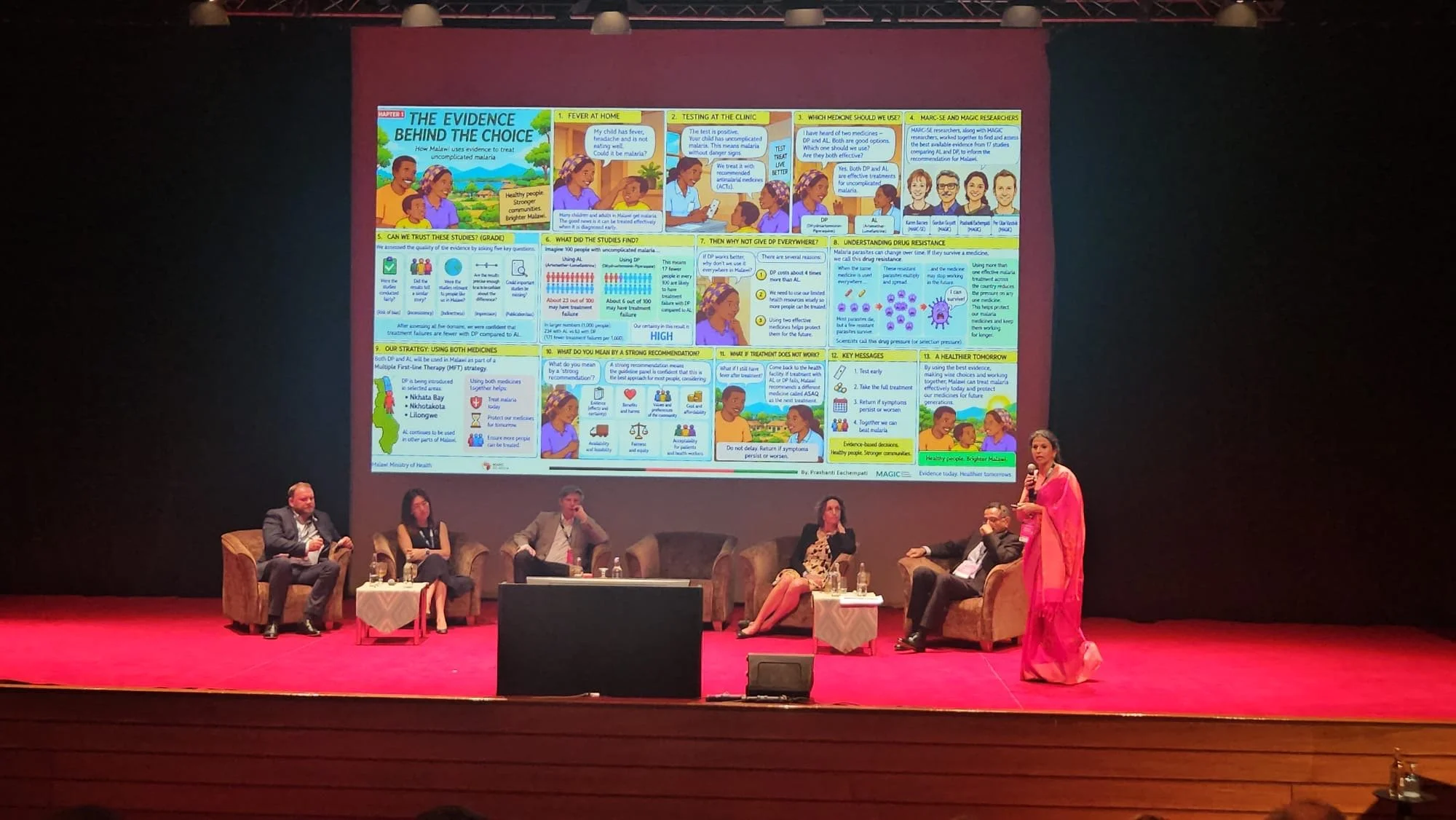
MAGIC is exploring different ways of making guideline recommendations and the supporting evidence more accessible. These include infographics, concise web-based resources and materials that can be shared easily through WhatsApp. One particularly creative initiative currently under development is CARE to share, which uses comics to communicate clinical recommendations and the evidence behind them in a simple, engaging and accessible format.
This work is ongoing. Planned focus group discussions and user testing in Malawi will provide valuable feedback from intended guideline users, helping the team refine these communication approaches and better understand how the recommendations can be shared and used in practice.
Bridging the gap between scientific findings and health policy
On 17 September, a Malaria Research to Policy Meeting took place in Kampala, Uganda. Hosted biannually by Infectious Diseases Research Collaboration (IDRC), a MARC SE-Africa partner, the meeting brings together representatives from Uganda’s Ministry of Health’s National Malaria Elimination Division, researchers from Makerere University, international organisations such as the WHO, and various malaria technical and implementation partners.
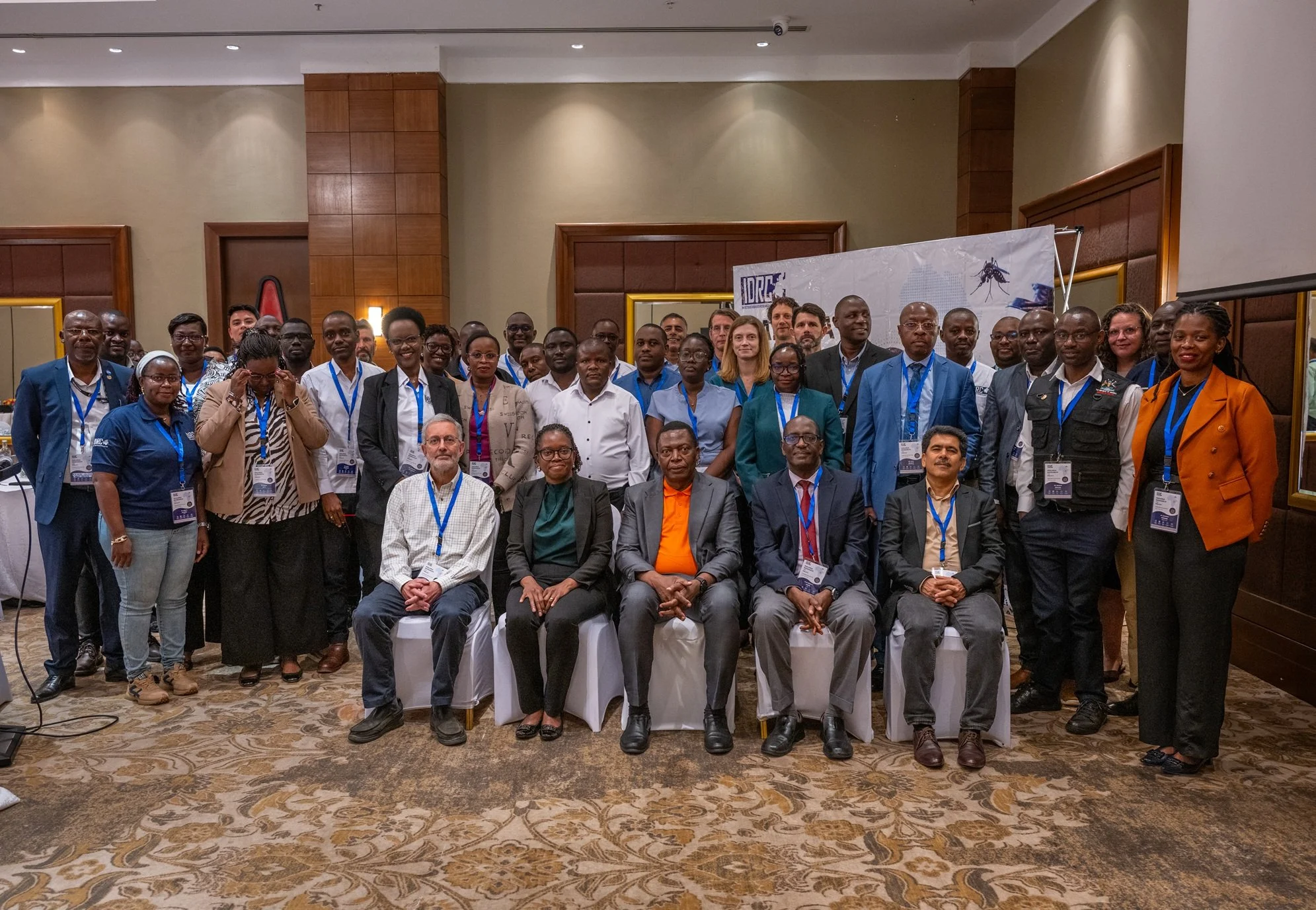
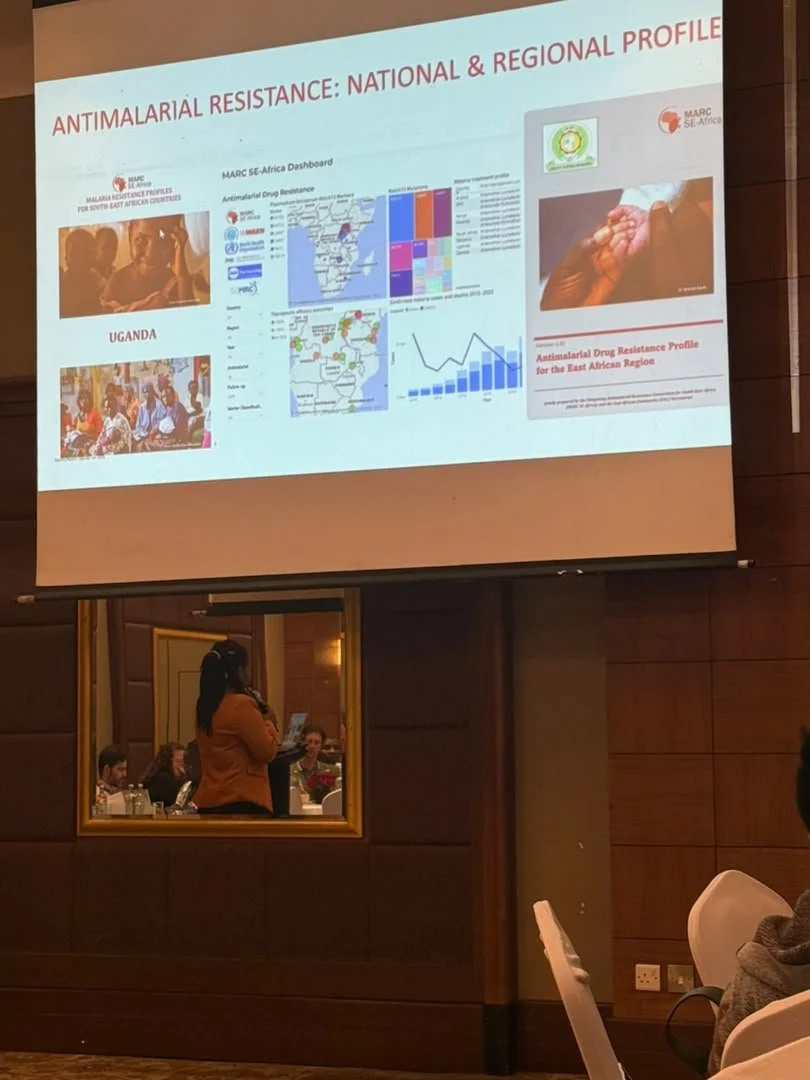
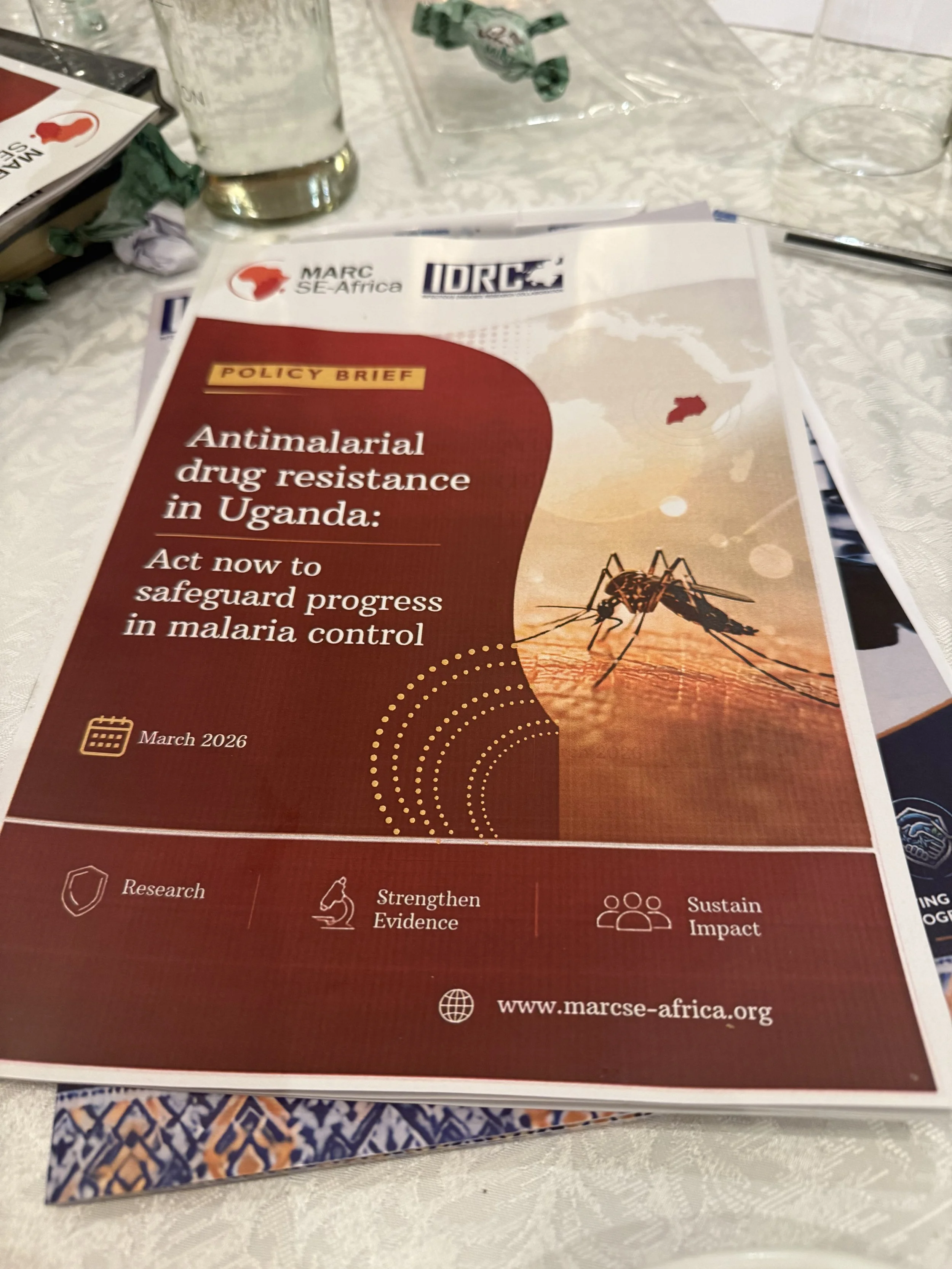
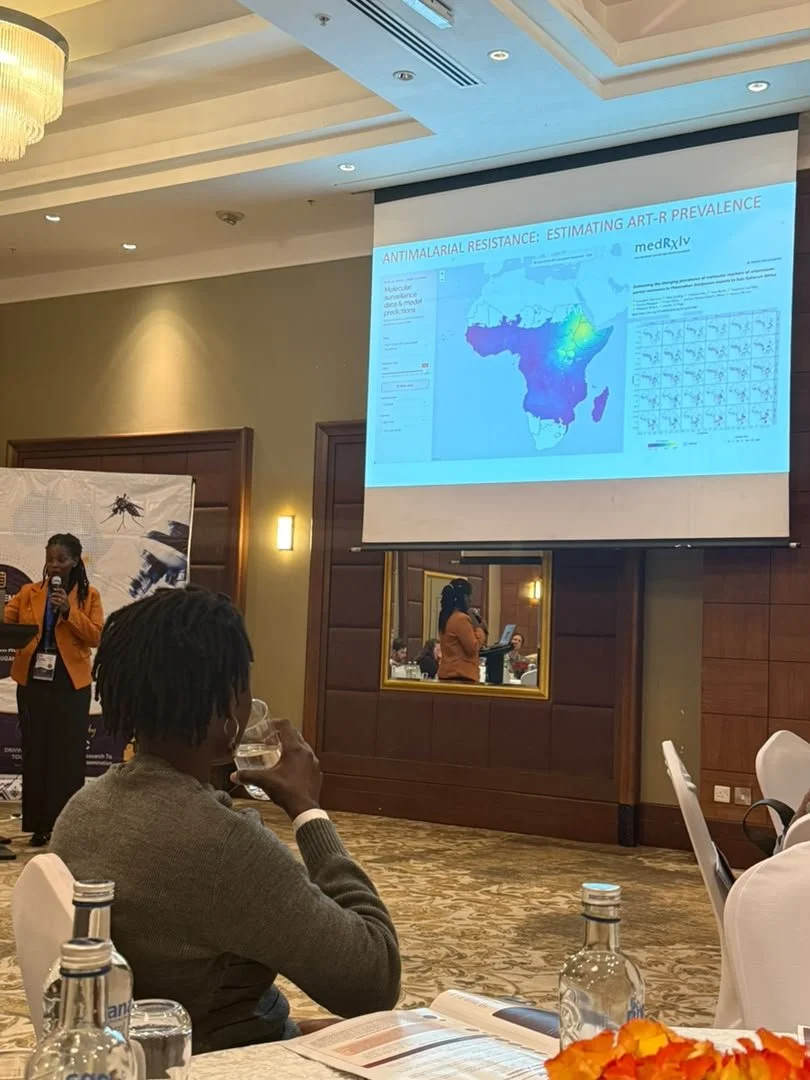
The MARC SE-Africa team supported the organisation of this year’s meeting and led the session on antimalarial drug resistance, where Joanitah Atuhaire presented some of the project findings on the state of drug resistance in Uganda and strategies to mitigate it. She presented evidence confirming the increasing spread of parasite resistance to artemisinin and partner drugs in Uganda, with treatment failure rates exceeding the WHO 10% threshold. To control the spread of resistance, she said Uganda needs to continuously identify and control drivers of drug resistance, strengthen surveillance for drug resistance, control malaria transmission, and increase key stakeholders' commitment to controlling resistance.
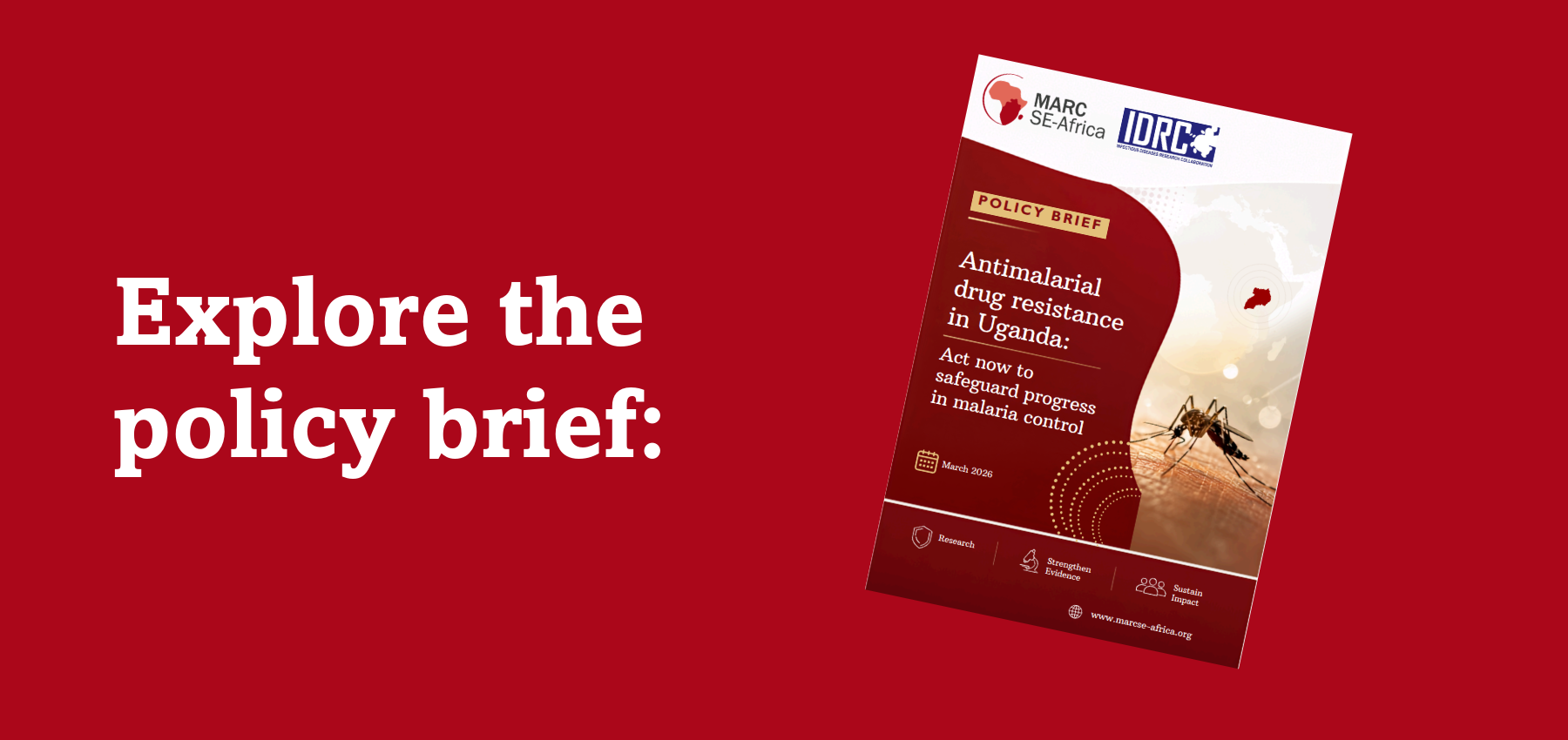
The meeting gave policymakers, health officials, and other partners an opportunity to learn about the situation and discuss the best next steps in the panel discussion. The meeting also provided MARC SE-Africa with feedback on areas where the Ministry of Health needs additional support, completing the communication loop between policy and research. More information about the state of antimalarial drug resistance in Uganda and MARC SE-Africa recommendations is included in the policy brief that was presented at the event.
Both recent presentations of the MARC SE-Africa work confirm the team’s commitment not only to ensuring the latest evidence on antimalarial drug resistance is available but also used. They highlight the pathways from evidence to impact, which the consortium is dedicated to building.