Fight against drug-resistant malaria gains momentum in Southern Africa
On 26 February 2026, the Southern African Development Community (SADC) Ministers of Health endorsed the 2025 SADC Malaria Report, a crucial annual brief on the state of the fight against malaria in the region. For the first time, the document includes a dedicated section on antimalarial drug resistance, highlighting the urgent need for decisive action to protect the effectiveness of current malaria treatments. This inclusion also reflects the region’s combined commitment to confront and contain this growing threat through coordinated, evidence-informed strategies.
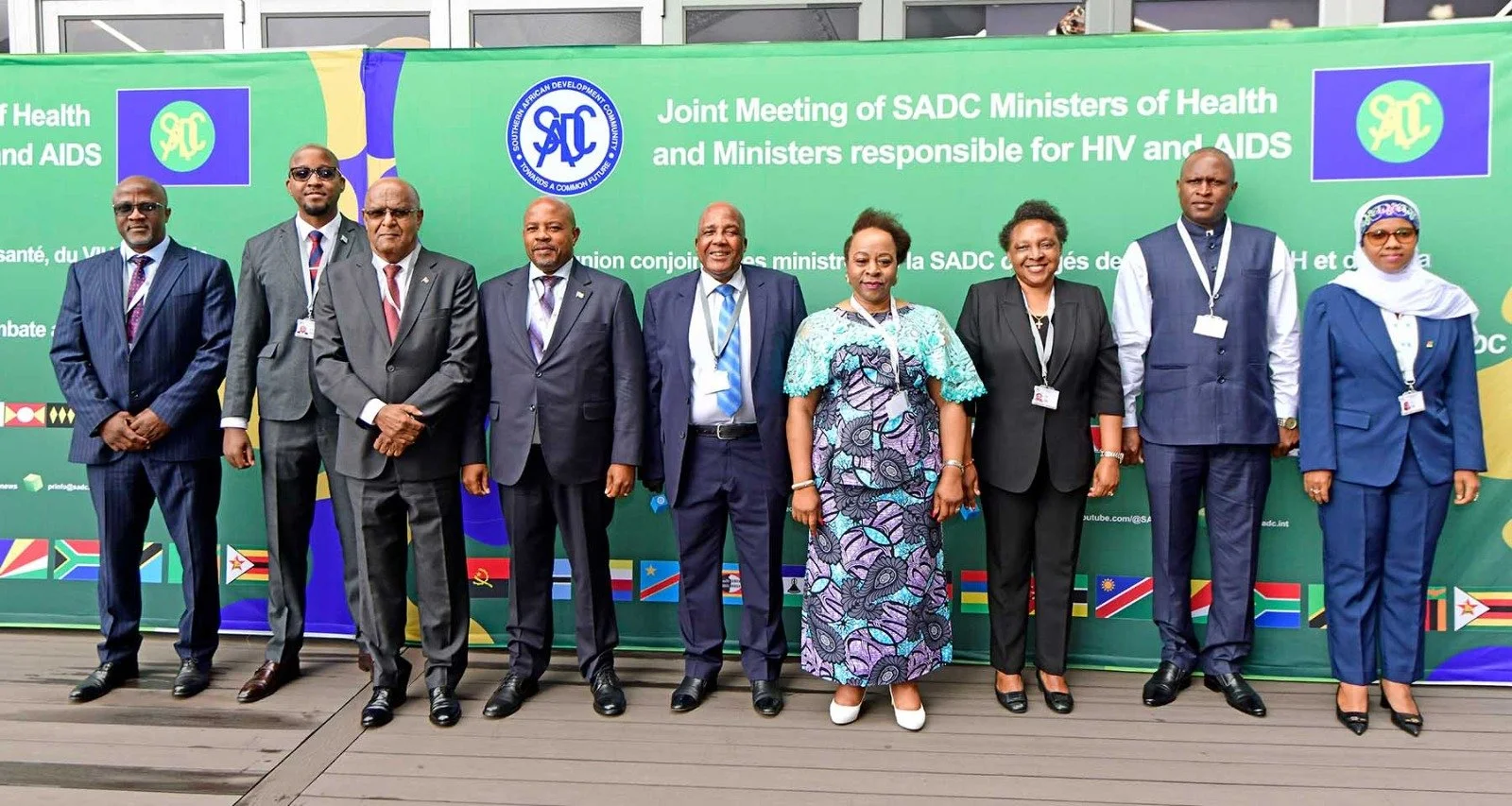
Some of the ministers and their representatives at the meeting. Photo credit: SADC website.
MARC SE-Africa and Roll Back Malaria (RBM) Partnership to End Malaria collaborated with national malaria programmes on defining the current state of antimalarial drug resistance in the region and shaping actionable recommendations, such as the establishment of a SADC Regional Coordination Committee, strengthened data sharing among the countries and the development of a regional strategy to respond to drug-resistant malaria. These action points have now been endorsed by the ministers, paving the way for reinforced regional collaboration.
Growing antimalarial drug resistance raises the alarm in the region
So far, Plasmodium falciparum malaria parasite mutations associated with artemisinin resistance have been detected in 5 of the SADC countries – Angola, Democratic Republic of Congo, Namibia, Tanzania, and Zambia and Namibia. This development follows already confirmed artemisinin resistance in neighbouring African regions. Antimalarial drug resistance poses a substantial challenge to maintaining effective malaria treatment across the region and may increase the risk of treatment failures and malaria transmission.
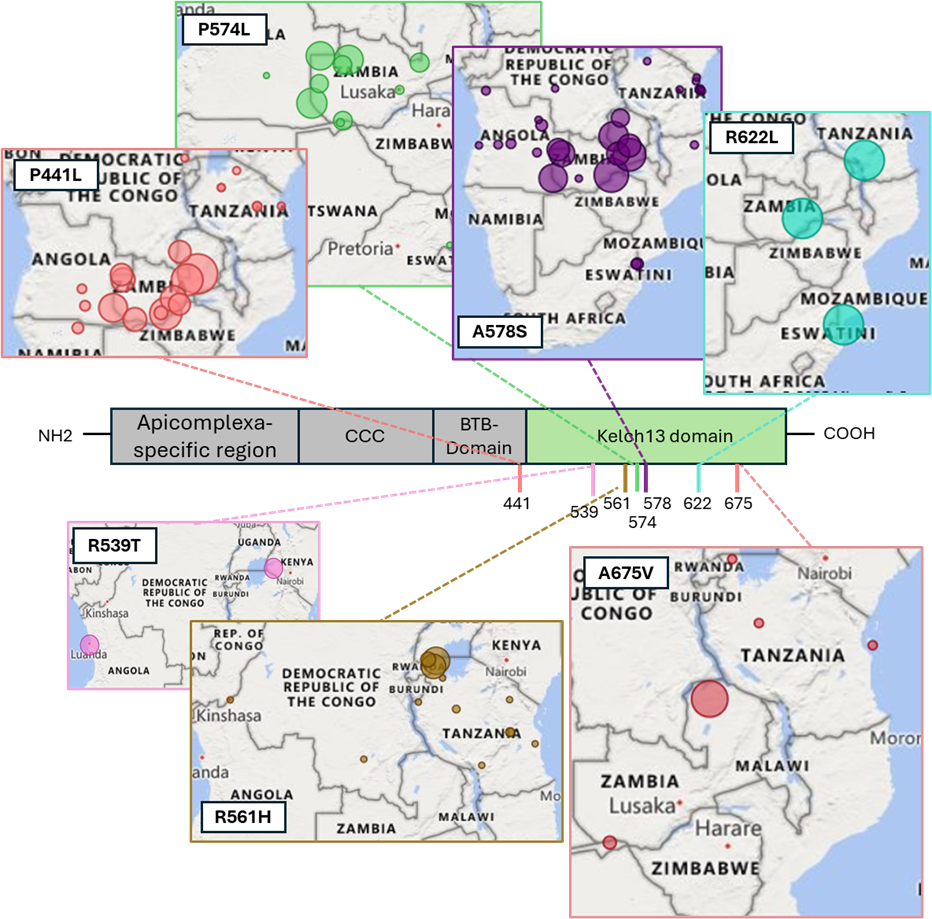
Graphical illustration of the distribution of harmful parasite mutations associated with drug resistance in SADC countries relative to genetic mutations in the parasite.
Effective action against drug-resistant malaria requires rapid sharing of data, such as the clinical outcomes captured in therapeutic efficacy studies. This information is essential for monitoring the effectiveness of antimalarial drugs, but its availability in Southern Africa remains limited. The SADC ministers addressed this in their meeting, agreeing to strengthen data-sharing systems and ensure that available data - in addition to efficacy outcomes, also epidemiology data, parasite genetic surveillance data, and country treatment policies - is shared quickly among nations, enabling prompt responses to the identified trends.
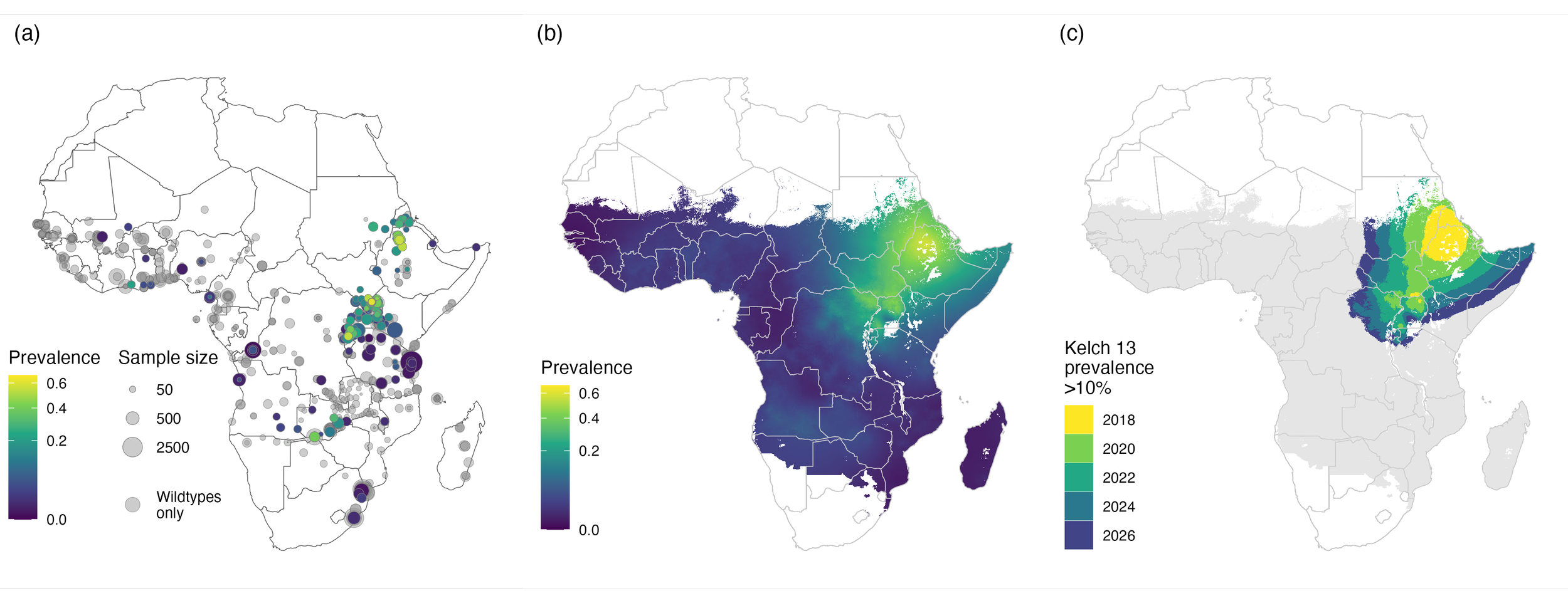
Graphical representation of data highlighting the spread of the drug-resistant malaria: (a) recorded prevalence of Kelch 13 mutations associated with partial artemisinin resistance in the area of endemic malaria transmission in Africa between 2000 and 2024; (b) estimated prevalence of Kelch 13 mutations in 2026; (c) area where estimated Kelch 13 mutation prevalence is greater than 10%, 2018-2026.
Drug-resistant malaria cannot be addressed by any one country alone. The latest data on antimalarial drug resistance must be translated into policy and action through continuous regional collaboration. SADC ministers committed to establishing a SADC Regional Coordination Committee to respond to the threat of antimalarial resistance and to combine resources, such as laboratory and computational expertise.
Moving towards a regional strategy
The 2025 SADC Malaria Report is an important recognition of the current state of antimalarial drug resistance in the region and signals a regional preparedness for decisive action. MARC SE-Africa, in collaboration with the RBM Partnership to End Malaria, will continue to offer its support to all regional activities aimed at strengthening collaboration to effectively address the growing drug resistance.
In April 2026, the stakeholders will meet to advance work on preparing a regional strategy to support these goals.