Regional collaboration advances SADC response to antimalarial drug and insecticide resistance
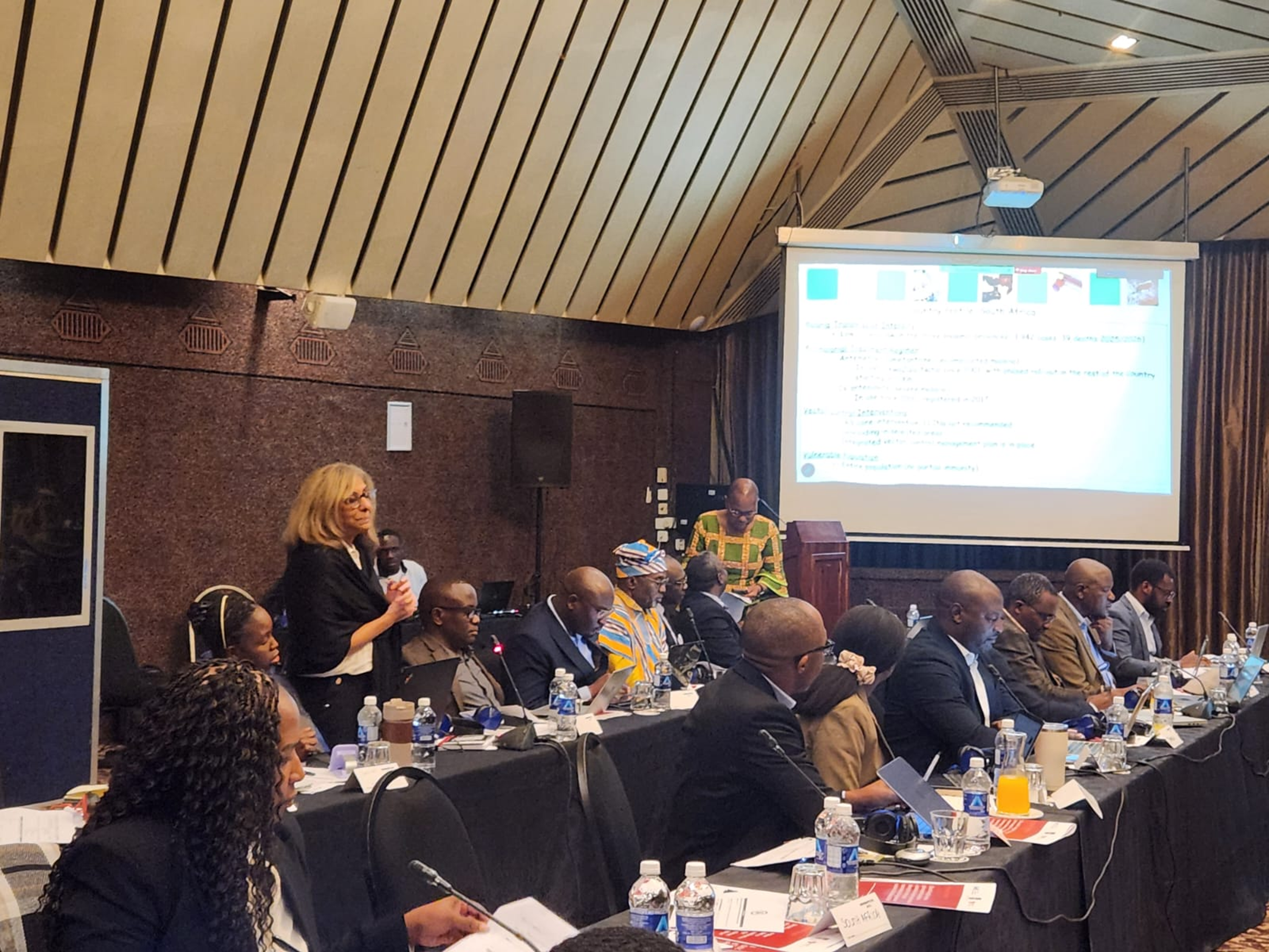
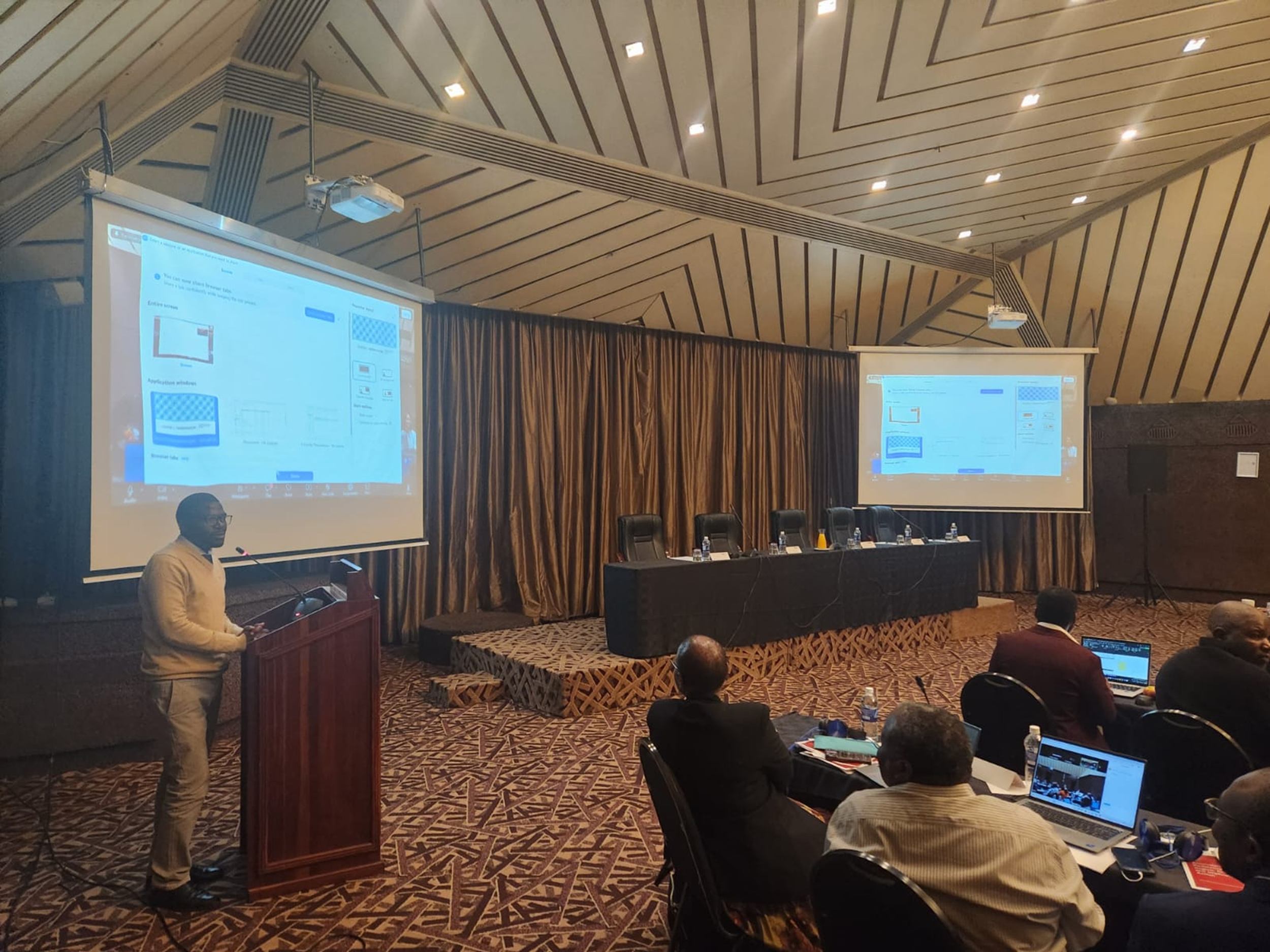
From 5 to 7 May 2026, regional leaders, scientists, and public health partners convened in Harare, Zimbabwe, for a high-level meeting to develop the SADC Strategy on Antimalarial Drug Resistance and Vector Insecticide Resistance. The meeting brought together National Malaria Programmes, ministries of health, academic institutions, and regional and global partners, including the World Health Organisation, the Clinton Health Access Initiative, ALMA, and funding organisations, to align efforts in addressing one of the most pressing threats to malaria control in southern Africa.
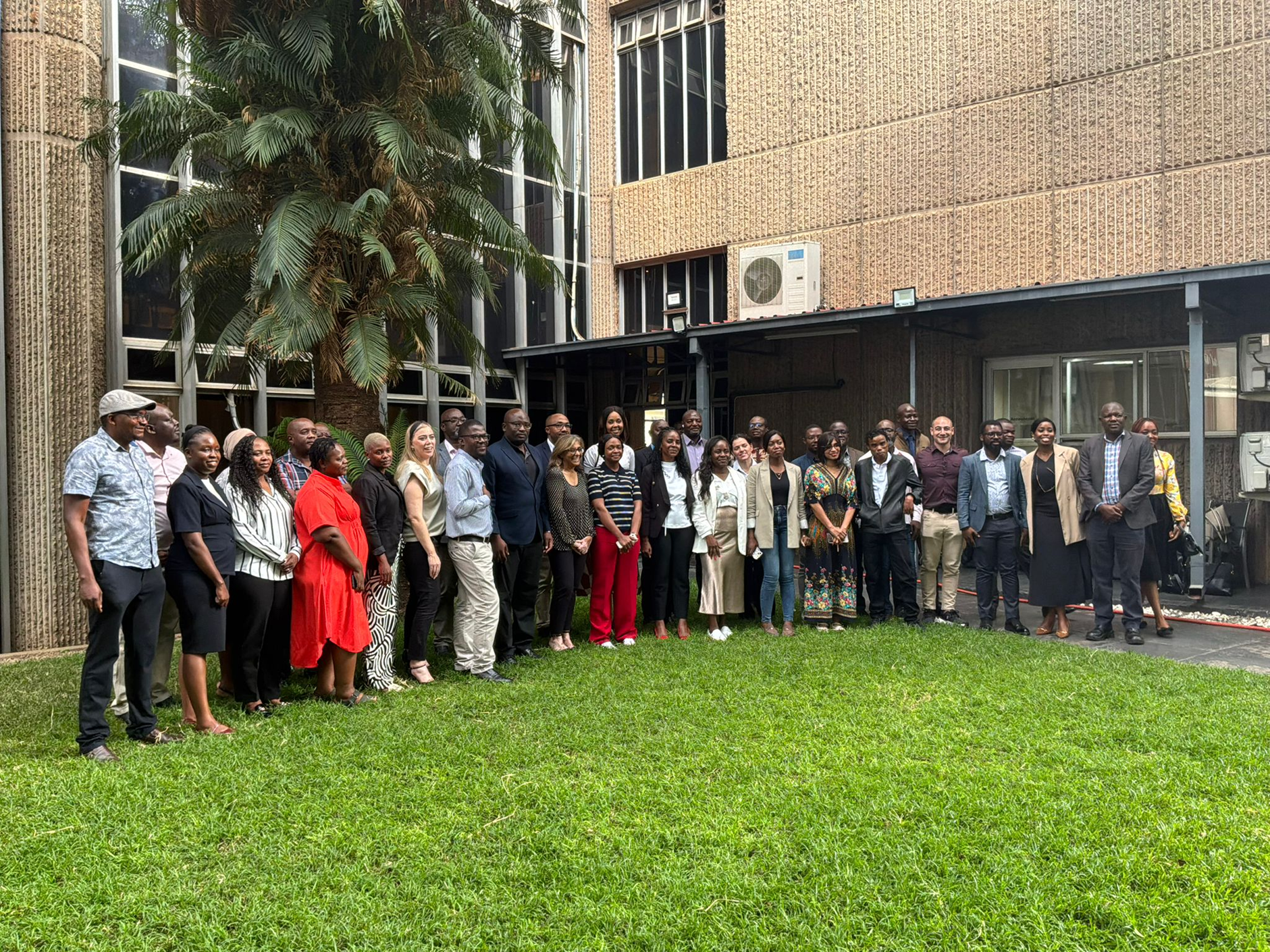
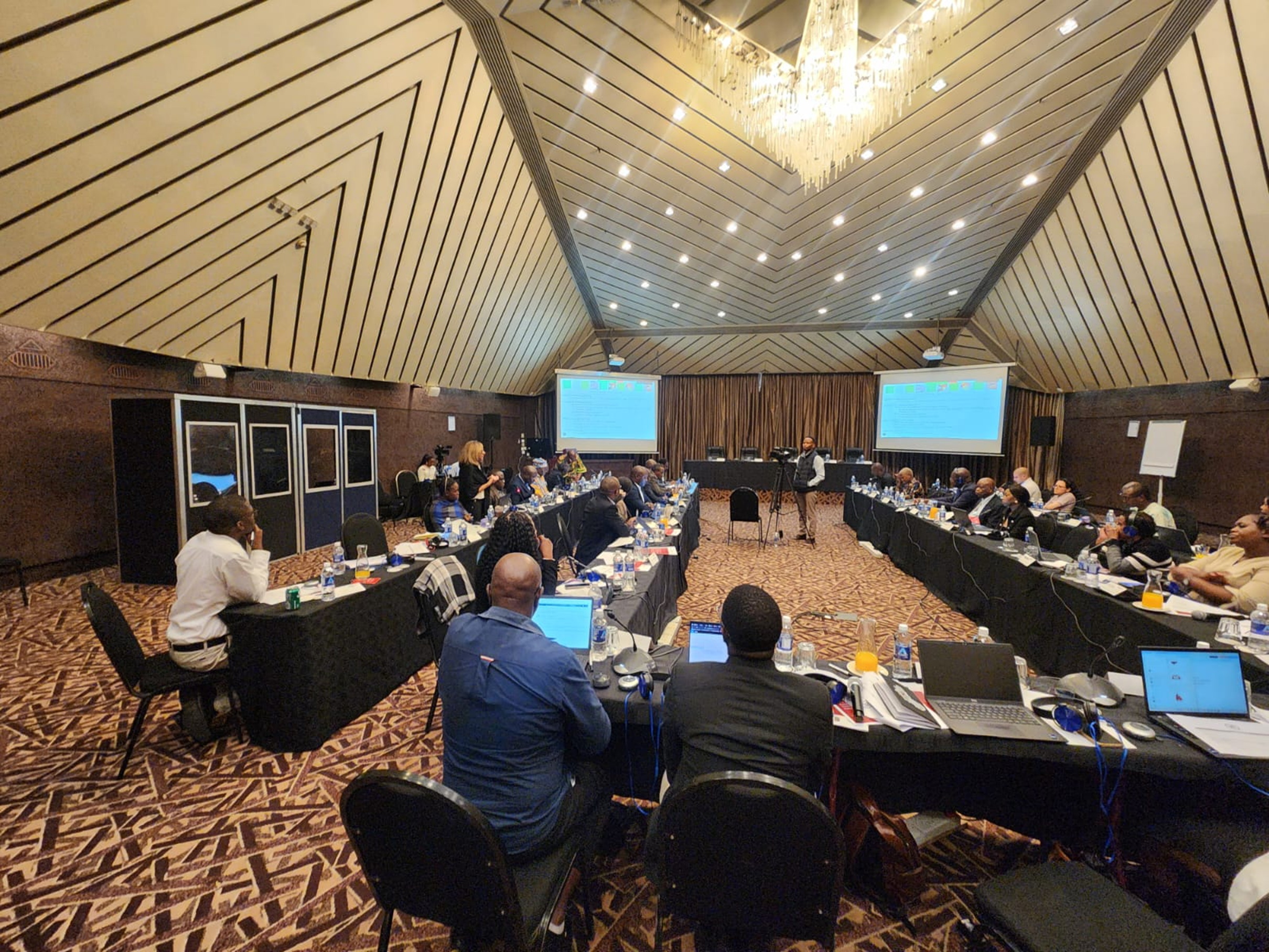
SADC meeting attendees.
This three-day meeting provided a platform to assess the current status of malaria burden and resistance across SADC member states, share emerging evidence, and define a coordinated regional response. Country presentations and technical sessions reviewed therapeutic efficacy data, molecular markers of resistance, and the growing challenge of insecticide resistance in malaria vectors.
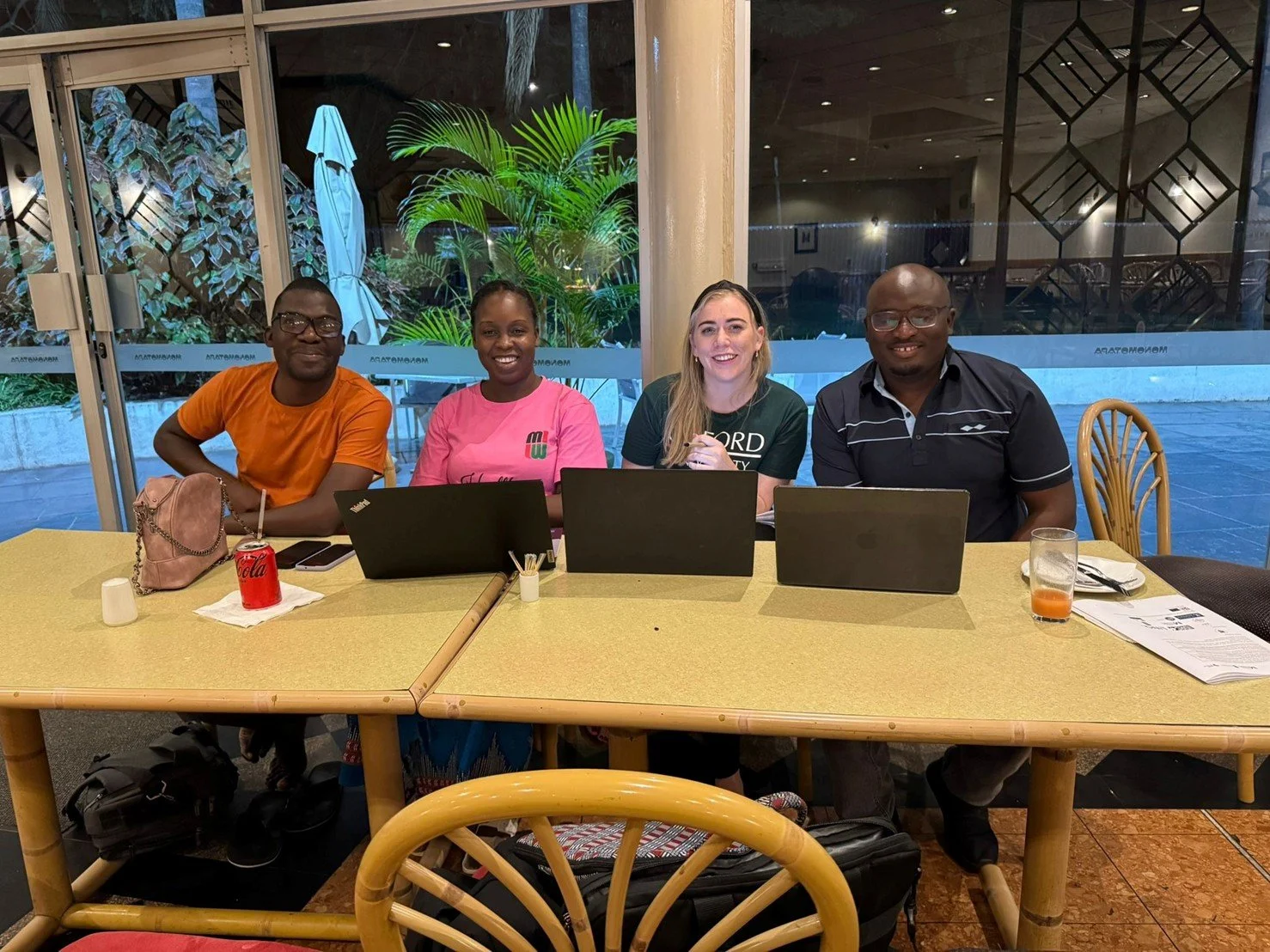
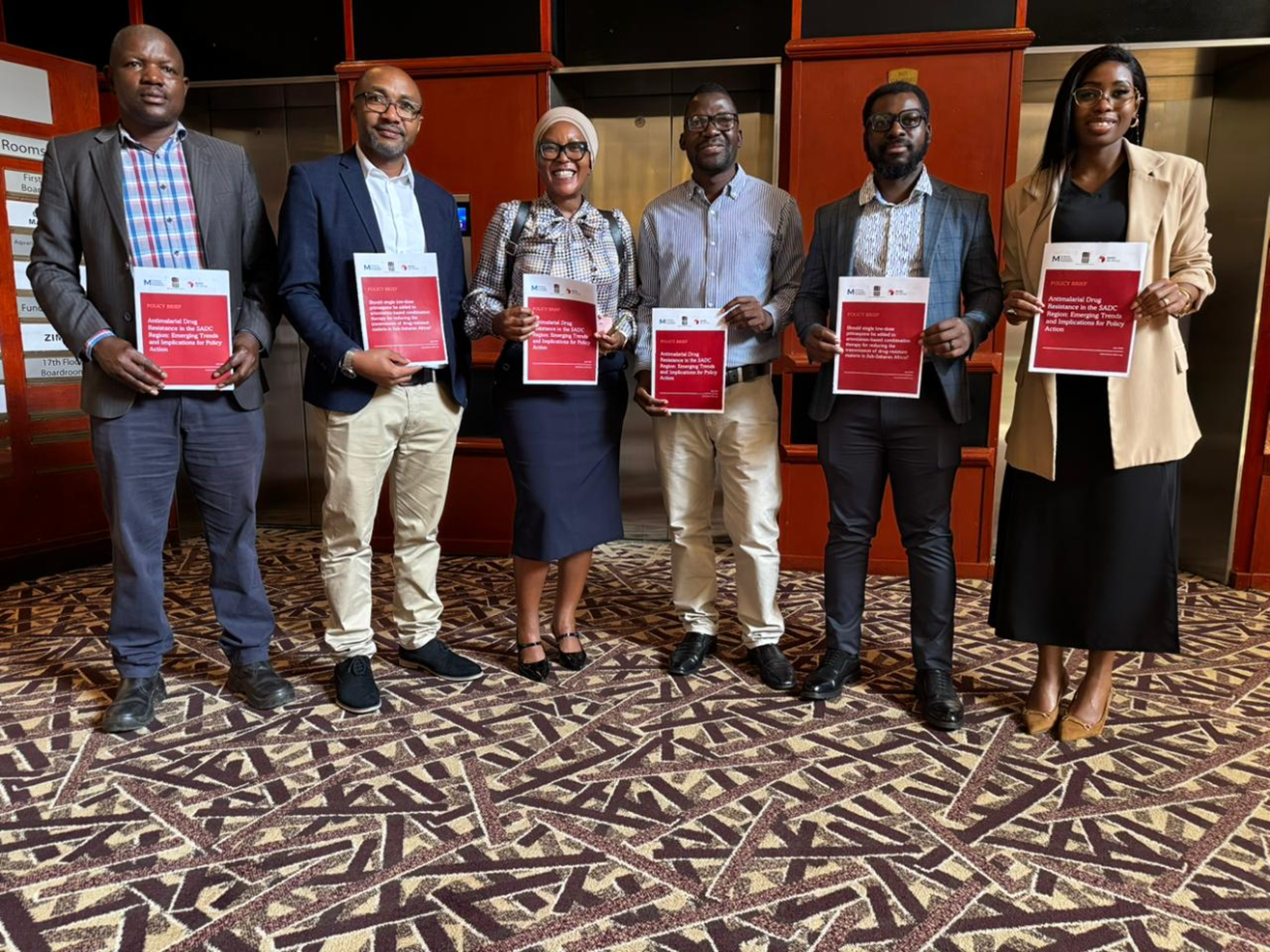
MARC SE Africa team members, Dr Jonathan Gwasupika, Mrs Olive Mbekwani, Dr Stephanie van Wyk, and Dr Donnie Mategula.
MARC SE-Africa and SADC partners led discussions to lay the foundation for the development of the detailed action plan on antimalarial drug resistance, working in close collaboration with SADC member states and regional partners. This work focused on translating emerging evidence into a structured, actionable regional response, aligned with country priorities and existing health systems.
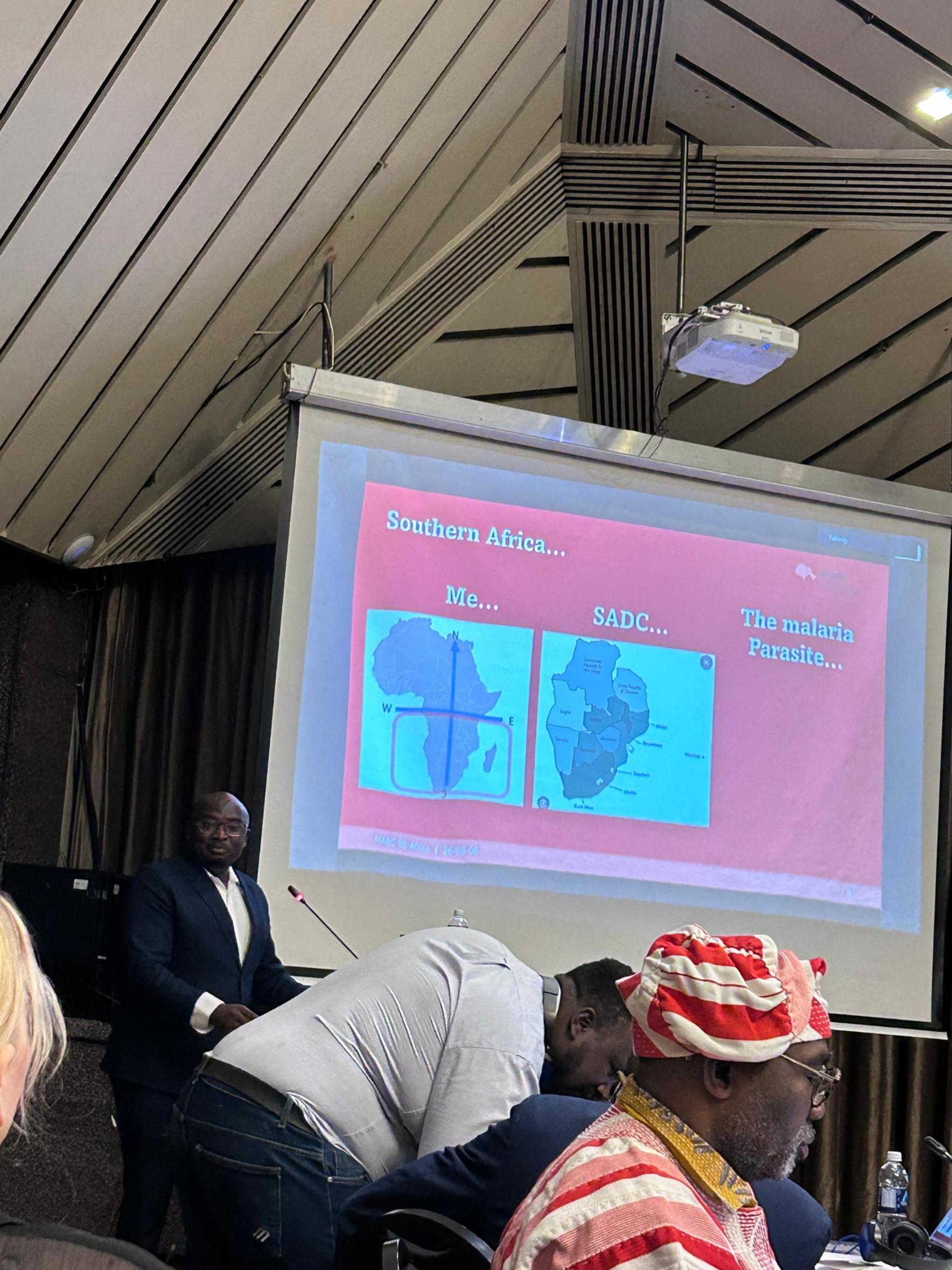
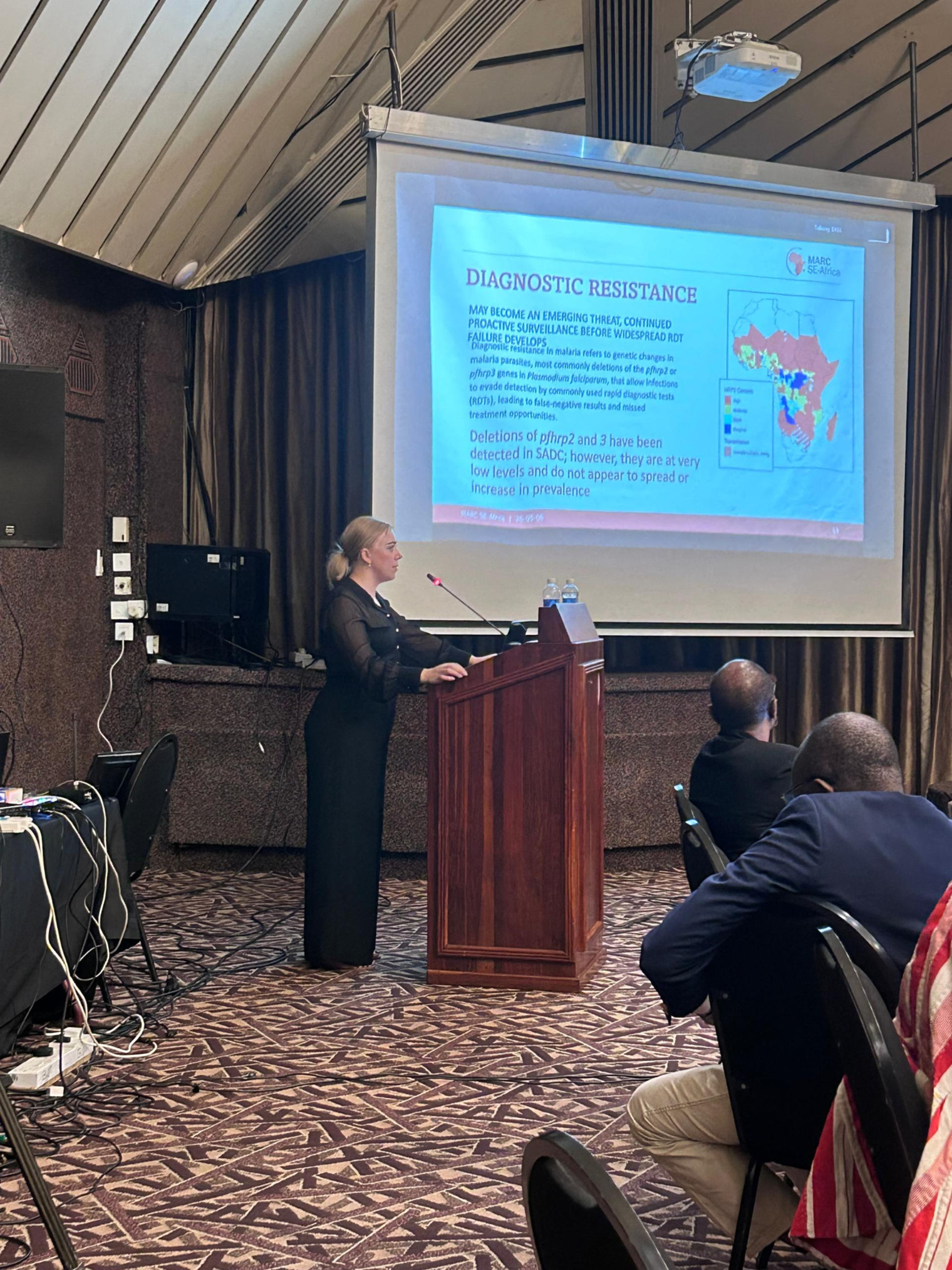
Members of the MARC SE-Africa consortium contributed to key technical discussions. Dr Stephanie van Wyk presented an overview of molecular markers associated with antimalarial resistance and demonstrated how the MARC SE-Africa dashboard supports surveillance, data integration, and predictive mapping across the region. These tools are enabling a clearer understanding of where resistance is emerging and how it may spread.
Dr Jonathan Gwasupika provided insight into the drivers of resistance observed in neighbouring regions where antimalarial resistance has become established, offering important lessons for early detection and response in SADC countries. Dr Donnie Mategula presented current data on the efficacy of frontline antimalarial treatments and led discussions on the development and operationalisation of the regional action plan to safeguard treatment effectiveness. Mrs Olive Mbekwani introduced policy briefs focused on practical interventions, including the use of single low-dose primaquine and the implications of emerging partial resistance for national policy.
A central feature of the meeting was the development of the regional strategy and its implementation roadmap. Participants worked in technical groups to define priorities for surveillance, response, cross-border coordination, and data sharing. These sessions focused on identifying gaps, aligning standards, and proposing actionable steps to strengthen regional systems.
The meeting concluded with a joint commitment to advance a coordinated SADC response, supported by strengthened surveillance systems, improved data sharing, and closer collaboration between countries and partners. Partners agreed to develop a strategy in the weeks following the meeting and present it to the regional Malaria Programme Managers for approval in September and for endorsement to the regional health ministers in November.
As outlined in recent regional analyses, southern Africa still has a critical window to act before resistance becomes widespread. By bringing together expertise, data, and policy, SADC member states, supported by MARC SE-Africa and partners, are taking important steps to protect recent gains in malaria control and sustain progress towards elimination.